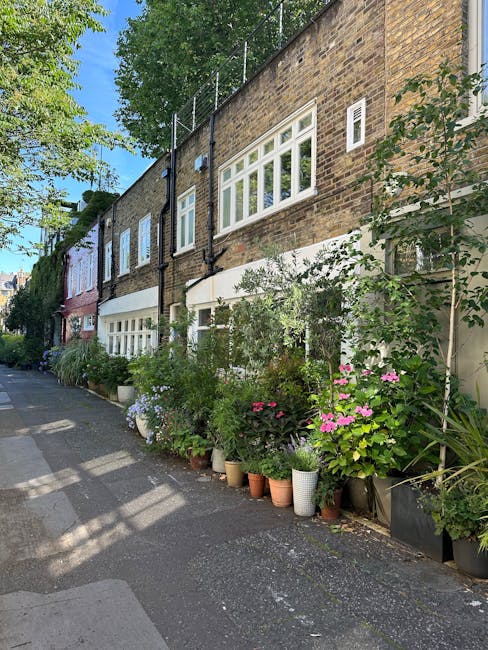
Silk Street garden care experts in Barbican EC2Y: a practical guide to keeping local outdoor spaces in shape
If you live, work, or manage property near Silk Street, you already know outdoor space in Barbican EC2Y is a bit different from a suburban garden. It can be compact, exposed to wind tunnels, shaded by tall buildings, or tucked into a courtyard that never quite dries out after rain. That is exactly why Silk Street garden care experts in Barbican EC2Y matter: they understand the local pressures, the small-space realities, and the need for tidy, dependable upkeep without fuss.
In this guide, you will find a clear explanation of what local garden care involves, how it works, what to expect, and how to judge whether a service is right for your space. We will also cover common mistakes, useful best practices, and a straightforward checklist you can use before booking. If you are comparing options, it helps to know what quality looks like. Truth be told, that saves a lot of disappointment later.
Quick expert summary: good garden care in Barbican is not just about mowing and trimming. It is about planning around access, season, safety, waste removal, and the particular character of urban planting. The best results usually come from regular, light-touch maintenance rather than occasional emergency tidy-ups.
Why Silk Street garden care experts in Barbican EC2Y Matters
Urban garden care is easy to underestimate. A small terrace bed, a shared courtyard, or a raised planter can look simple at first glance, but the work behind keeping it healthy and presentable can be surprisingly involved. In a dense area like Barbican EC2Y, local conditions shape everything: light levels, access, drainage, wind exposure, and the way foot traffic affects beds and borders.
That is why experienced local help matters. The right team will not treat a city garden like a rural lawn. They will read the space properly. They will notice when a plant is struggling because of reflected heat from brick or glass. They will spot when moss is winning the battle because shade and moisture are lingering in one corner. They will also understand that some spaces need discreet work carried out early in the day, with minimal disruption. Not glamorous, perhaps, but very useful.
There is another reason this matters: consistency. A garden near Silk Street can go from neat to neglected in a short stretch of time if the maintenance schedule slips. A few missed visits and suddenly the hedge looks shaggy, the lawn loses definition, and weeds sneak into places that used to feel under control. Reclaiming a space later is almost always more expensive and more annoying than keeping on top of it from the start.
If you are looking across a wider range of outdoor property support, it can also help to understand the broader service picture on the services overview page and how routine upkeep differs from one-off work such as garden clearance or more structured landscaping.
How Silk Street garden care experts in Barbican EC2Y Works
Garden care usually begins with a short assessment. A good provider will look at the size of the space, what is planted, how much sun it gets, what type of surface is present, and whether there are any access issues. That first look matters because the best plan for a sheltered courtyard is not the same as the best plan for a roof terrace or narrow private garden.
From there, the work normally falls into a repeating cycle. Maintenance tasks are scheduled around growth patterns and seasonal needs. For example, a lawn might need more regular attention during active growing periods, while hedges and shrubs may need shaping at specific times to avoid stress or uneven regrowth. If a space has a lot of leaves, debris, or tired planting, the approach may start with tidying and clearance before any more decorative work begins.
In practical terms, this often means combining several services rather than treating each job as isolated. A typical visit could include light weeding, pruning, edging, leaf collection, and a quick check of plant health. If a lawn is part of the picture, a service like lawn mowing might sit alongside hedge trimming or general upkeep from garden maintenance. That combined approach is usually tidier, more efficient, and more cost-effective.
Access, waste handling, and safety also shape the process. Materials may need to be moved through tight corridors or shared entrances, so planning is part of the job, not an afterthought. And let's face it, no one wants soil dragged across a pristine communal floor. Small detail, big difference.
Key Benefits and Practical Advantages
There are several reasons people choose local garden care support in this part of London, and most of them are very practical.
- Cleaner presentation: tidy edges, healthy growth, and less visual clutter make a small outdoor area feel far larger.
- Healthier planting: regular care helps catch stress, pests, poor drainage, or overcrowding before they get out of hand.
- Less disruption: local teams used to Barbican settings can work efficiently in spaces with access restrictions or shared areas.
- Reduced backlog: consistent visits stop little issues from becoming a huge weekend job.
- Better seasonal planning: pruning, feeding, cutting back, and clean-up happen at the right time rather than all at once.
- Safer surroundings: removing trip hazards, dead growth, broken branches, and wet debris makes outdoor spaces easier to use.
One underrated benefit is psychological. A well-kept garden or courtyard changes how a property feels. In a busy city setting, even a modest planted space can become a place to pause with coffee in the morning or to catch a bit of fresh air between meetings. Those small moments matter more than people admit.
Local expertise also helps when the space needs a more substantial reset. If growth has become untidy or a property has been left for a while, the solution may start with garden clearance before moving back into a maintenance rhythm. If the area is being redesigned or improved, a broader service like landscape gardening may be the right next step.
Who This Is For and When It Makes Sense
This kind of service makes sense for a wide mix of people. You do not need a large private garden to benefit from it. In fact, small spaces often need more precision, not less.
- Homeowners who want a neat outdoor area without spending every spare Saturday on it.
- Landlords and letting agents who need exterior spaces kept presentable between tenancies.
- Office managers who want a smart courtyard, entrance planter, or roof terrace for staff and visitors.
- Property managers dealing with shared gardens, access routes, or communal planting.
- Busy residents who like greenery but do not want the upkeep to become a second job.
It also makes sense after seasonal weather changes. After a wet spell, moss and weeds often accelerate. After a dry run, some plants need careful recovery rather than hard cutting. After autumn, leaf build-up can quickly make even a tidy space look forgotten. If that sounds familiar, you are not alone. It happens everywhere, especially in city gardens that get less light than you would expect.
If your aim is more than routine upkeep, you may also want to think about longer-term improvements such as durable surfaces or seating areas. In those cases, the right starting point may be decking services or broader landscaping, depending on the condition and future use of the space.
Step-by-Step Guidance
If you are planning garden care near Silk Street, a simple method makes the whole thing easier.
- Walk the space first. Note where water collects, what is overgrown, what feels awkward to reach, and what you want the space to do.
- Separate urgent problems from cosmetic ones. Broken branches, slippery paths, and heavy weed growth should be dealt with before fine detailing.
- Decide whether the space needs a reset or maintenance. Some gardens need a one-off clean-up; others just need regular attention.
- Set the maintenance rhythm. Weekly, fortnightly, or seasonal visits each suit different spaces. The best schedule is the one you can keep.
- Build in waste removal. Green waste piles up fast in even tiny gardens. Plan for removal rather than leaving bags stacked in the corner.
- Review results after the first visit. Was access handled properly? Were edges crisp? Did the space feel easier to maintain after the work?
- Adjust the plan. A good garden care routine evolves. It is never completely fixed, and that is fine.
A useful habit is to photograph the garden before work starts. It sounds simple, almost too simple, but it helps you judge the difference later and creates a record of what was agreed. Also, it stops the classic "it looked better in my head" problem. We have all been there.
Expert Tips for Better Results
Good garden care is often about small, sensible choices. Nothing flashy.
- Work with the site's light pattern. In Barbican areas, shade can be deeper and longer than expected. Choose plants and schedules accordingly.
- Keep cutting light and regular. Smaller, frequent tidies usually look better than aggressive cutting after a long gap.
- Protect the hard surfaces. Decking, paving, and communal paths should be kept clear of slippery clippings and damp debris.
- Plan for access before the job starts. Narrow entrances, lifts, and shared hallways can slow work if nobody thinks ahead.
- Use seasonal restraint. Not everything should be cut back hard at the same time. Some plants need a gentler approach.
- Match the finish to the property. A minimal, clean style often suits modern developments better than a heavily ornamental look.
One thing I would say, based on real-world experience: good work usually looks calm. If a garden feels balanced and unforced, that is often a sign the maintenance plan is sensible. If it feels overworked, something has probably been cut too hard or too late.
For many spaces, it also helps to choose providers who can handle related tasks, not just one-off trimming. A team that understands recycling and sustainability may be more careful about green waste, re-use, and practical disposal. That is not a minor point in a city setting where space is limited and tidiness matters.
Common Mistakes to Avoid
People often make the same avoidable errors with garden care in urban areas. The good news? Most of them are easy to fix once you spot them.
- Leaving maintenance too long: a monthly job can quietly become a major restoration project.
- Choosing appearance over suitability: not every plant or surface can cope with shaded, exposed, or wind-prone conditions.
- Ignoring drainage issues: soggy corners lead to moss, root stress, and messy surfaces.
- Over-pruning: too much cutting at once can weaken shrubs and leave ugly gaps.
- Forgetting disposal: the work is only half done if the waste is left behind.
- Using the wrong provider for the job: a clearance job, a maintenance job, and a redesign job are not the same thing.
Another common mistake is expecting instant perfection from a space that has been neglected for months. Some improvements are immediate, yes. Others need a couple of visits. That is normal. Gardens are living systems, not surfaces you can simply wipe down.
Tools, Resources and Recommendations
While you do not need to know every tool used by a professional crew, it helps to understand the basics. It makes conversations easier and helps you judge whether the proposed work is sensible.
| Tool or resource | Why it matters | Typical use |
|---|---|---|
| Hand pruners and shears | Allow accurate cutting in tight spaces | Small shrubs, soft growth, detail work |
| Lightweight mowers or trimmers | Useful where access is limited | Lawns, edges, tidy finishes |
| Leaf collection tools | Prevent slip hazards and clutter | Courtyards, paths, seasonal clean-ups |
| Green waste bags or removal systems | Keep the property clear after work | Clearance and ongoing maintenance |
| Site notes or photo records | Help track condition over time | Repeat visits and planning |
For planning, it is also wise to look at how the provider structures service options and pricing. A transparent provider should make it easier to understand what is included, what counts as extra work, and how quotes are built. The pricing and quotes page is a sensible place to begin if you want clarity before booking.
If you are comparing a few services, it may help to look at specific needs one by one. For example, lawn mowing is very different from tree lopping and removal, and both are different again from routine garden care. The point is to match the service to the actual condition of the space, not to the vague idea of a "garden job."
Law, Compliance, Standards, or Best Practice
For garden care in London, the practical side of compliance matters more than people expect. This is especially true where shared access, waste handling, ladders, cutting equipment, or work at height may be involved. You do not need to become a legal expert, thankfully, but you should expect careful working practices.
Good practice usually includes appropriate public liability insurance, sensible risk assessment, safe equipment use, and respectful handling of communal areas. If branches are being cut, tools are being powered, or debris is being moved through a building, the provider should be thinking about site safety from the start. That is simply part of professional work.
For larger or more complex jobs, it is reasonable to ask how safety is managed, especially if access is awkward or the space is near windows, vehicles, or public walkways. The provider's own health and safety policy and insurance and safety information should help reassure you that the work is being handled responsibly.
There is also a wider duty of care around fair practice, data handling, payment security, and clear terms. That might sound like admin, but it is part of trust. If you are entering into a recurring service, it helps to know the terms, the payment process, and how any concerns are raised. The pages on terms and conditions, payment and security, and complaints procedure exist for exactly that reason.
Options, Methods, or Comparison Table
Different garden care approaches suit different spaces. Here is a simple comparison to help you decide what fits best.
| Approach | Best for | Strengths | Watch-outs |
|---|---|---|---|
| One-off tidy-up | Overgrown or neglected spaces | Fast reset, visible improvement | May not solve long-term upkeep |
| Regular maintenance | Occupied homes, offices, and managed properties | Consistent appearance, fewer surprises | Needs ongoing scheduling |
| Clearance first, then maintenance | Very untidy gardens or move-in prep | Restores control before routine care | Often costs more upfront |
| Design-led landscaping | Spaces needing a new layout or finish | Improves function and appearance | Needs planning and longer lead time |
In plain English: if the space is already in decent shape, regular upkeep is usually the smartest path. If it has been left too long, start with clearance. If the garden does not really work as a space, then redesign may be worth considering. Simple enough, but the wrong choice can waste time and money.
Case Study or Real-World Example
Picture a small courtyard near Silk Street that had become a bit tired. Nothing dramatic. Just the sort of place that slowly slips: leaves in corners, a few woody stems leaning into the walkway, moss at the edge of a shaded path, and a couple of planters that had started to look unloved. A resident wanted the area to feel calmer, cleaner, and easier to use, but did not want a full redesign.
The sensible route was not to rip everything out. First came a tidy clearance of dead growth and debris. Then the team thinned overgrown plants, reshaped the edges, and re-established clear access. A short follow-up visit later in the season kept the space on track. Nothing flashy. No miracle transformation montage. Just steady, careful work that made the courtyard feel looked after again.
The important lesson is this: the right intervention is often smaller than people imagine. A garden does not always need a dramatic overhaul. Sometimes it just needs a proper plan, a clean finish, and someone who knows how to read the space.
Practical Checklist
Use this before booking or reviewing a visit.
- Is the space being treated as a city garden, not a suburban one?
- Have access points, shared areas, and timing been discussed?
- Do you know whether the job is maintenance, clearance, or landscaping?
- Have the problem areas been identified clearly?
- Is green waste removal included or understood?
- Have safety and insurance expectations been checked?
- Does the quote explain what is included and what counts as extra?
- Is the work schedule realistic for the season?
- Will the same standard be kept on future visits?
- Is there a simple way to raise concerns if needed?
Practical reminder: the best garden care in Barbican is the kind that leaves you thinking, "Right, that feels sorted," rather than wondering what exactly was done. That calm, tidy feeling is often the real result you are paying for.
For anyone comparing providers, it can be useful to read a little about the team itself too. The about us page can give you a better feel for how the service approaches local work, while contact us is the natural next step when you are ready to talk through a specific site.
Conclusion
Silk Street garden care experts in Barbican EC2Y are valuable because they bring local judgment to a very specific kind of outdoor space. In a dense urban setting, garden care is less about grand gestures and more about consistency, precision, and knowing what the space actually needs. That might mean regular mowing, selective hedge trimming, seasonal clearance, or a longer-term improvement plan. Often, it is a mix.
The best results come from realistic expectations and steady upkeep. Start with the condition of the site, choose the right level of service, and pay attention to access, safety, and waste removal. Do that, and even a compact city garden can feel clean, usable, and quietly impressive.
Get a free quote today and see how much you can save.
And if your outdoor space has been nagging at you for a while, take that as a good sign. Small gardens can make a big difference when they are looked after properly. They really can.
Frequently Asked Questions
What do Silk Street garden care experts in Barbican EC2Y usually do?
They typically handle maintenance tasks such as mowing, edging, hedge trimming, weeding, pruning, leaf clearance, and general tidy-up work. Depending on the condition of the site, they may also advise on clearance or landscaping.
How often should a Barbican garden be maintained?
It depends on planting, size, and use. Some spaces need weekly or fortnightly care during active growing periods, while others only need seasonal visits. A small urban garden can still need regular attention, even if it looks low-maintenance.
Is garden maintenance better than a one-off clearance?
Usually, yes, if the garden is already in decent shape. Clearance is better when the space has been neglected or overgrown. Maintenance is the better choice for keeping things under control once the garden is back in good condition.
What should I expect from a professional garden care visit?
You should expect a clear assessment, agreed scope of work, tidy execution, and waste handling. Good providers also pay attention to access, safety, and the particular character of the space.
Do small courtyards and roof terraces need expert care too?
Absolutely. In fact, small spaces can be trickier because every plant, edge, and surface is more visible. They also tend to suffer more from access limitations and uneven light.
How do I know if I need landscaping instead of maintenance?
If the space feels awkward, underused, badly laid out, or structurally tired, landscaping may be the better route. If it already works and just needs looking after, maintenance is the simpler and more cost-effective option.
Can garden care include hedge trimming and lawn mowing together?
Yes, very often. Combining related tasks is usually efficient and helps the whole space look consistent. A good provider will group jobs sensibly rather than treating every task as separate and disconnected.
What should I ask before booking garden work near Silk Street?
Ask what is included, how waste is removed, whether the provider is insured, how access is managed, and whether the quote covers one-off work or ongoing maintenance. Those questions save a lot of confusion later.
Are there any safety concerns I should think about?
Yes. Shared entrances, wet surfaces, overhead cutting, and moving tools through buildings all need care. Professional providers should handle this with sensible site planning and safe working practices.
How can I keep a city garden easier to manage?
Choose suitable plants, keep on top of small jobs, avoid overfilling beds, and set a realistic maintenance schedule. Simpler layouts often work best in urban settings because they are easier to keep tidy.
What if my garden has been neglected for months?
That is common. Start with clearance, then move into maintenance. The key is not to try and do everything in one go if the space is heavily overgrown. A staged approach is usually calmer and more effective.
Where can I learn more about the service options available?
You can review the broader services overview, then compare relevant support pages such as garden maintenance and garden clearance to see what fits your needs best.