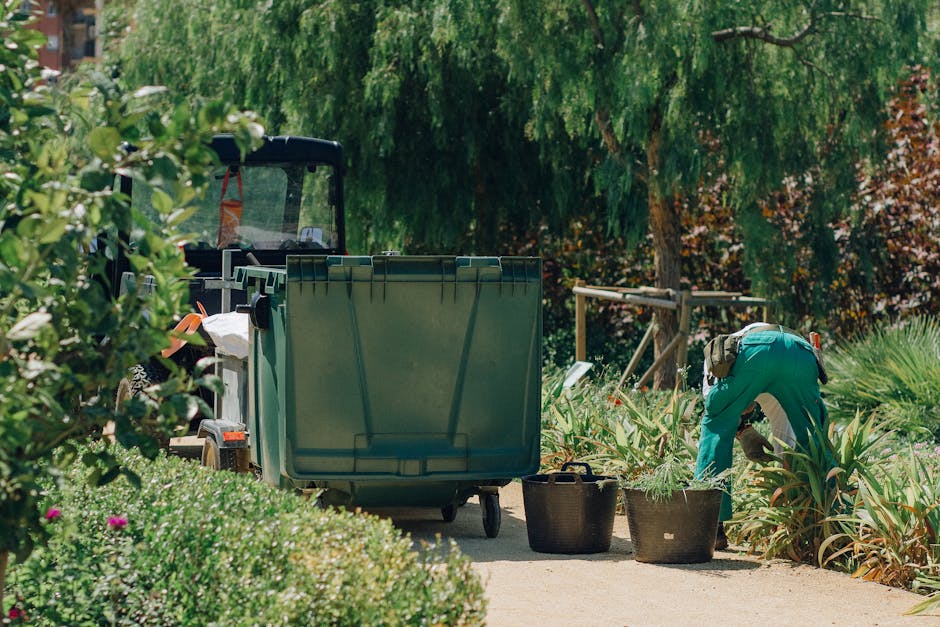
Hidden costs of garden maintenance in Barbican explained

If you have ever looked at a garden maintenance quote and thought, "That seems fair enough," only to see the final bill creep up later, you are not alone. In Barbican, the hidden costs of garden maintenance often have less to do with the grass itself and more to do with access, waste, time, and the type of work that sits behind the scenes. A tidy courtyard, roof terrace, or compact urban garden can still become unexpectedly expensive if the job needs extra kit, more labour, or a second visit.
This guide breaks down those extra charges in plain English. We will look at why they happen, how they're usually priced, the mistakes people make when comparing quotes, and what you can do to keep control of the budget without cutting corners. If you want the practical version, it's this: the cheapest garden quote is rarely the cheapest garden job.
Why hidden costs of garden maintenance in Barbican explained matters
Barbican gardens tend to be a bit different from the classic suburban patch with wide side access and a wheelie bin waiting by the gate. You often see compact spaces, shared entrances, basement courtyards, balconies, raised planters, and awkward routes through communal areas. That changes everything.
Why? Because garden maintenance is not just mowing or pruning. It can include carrying tools through a building, protecting paving, collecting waste, checking for trip hazards, and working around neighbours, residents, or building rules. Those details take time. And in service work, time is money.
The hidden costs matter because they affect both budgeting and expectations. A homeowner, landlord, or property manager might compare two quotes and assume they are the same job. Usually they are not. One quote may include hedge cuttings removed, debris bagged, and access time allowed for. Another may cover only the visible labour, with extras added later. That can feel frustrating, even if the contractor is acting fairly.
There is another angle too: if you underbudget the maintenance, the garden can slide. Once that happens, the job becomes bigger, messier, and more expensive. Fallen leaves turn into slippery paths, hedges become dense and harder to shape, and a small clearance turns into a half-day sort-out. Let's face it, gardens rarely become cheaper when ignored.
If you are building a longer-term maintenance plan, it may help to start with the broader services overview and then look at what ongoing care actually includes on the garden maintenance service page.
How hidden costs of garden maintenance in Barbican explained works
Hidden costs usually appear because the initial price is based on a simple version of the job. That is not always a bad thing. Most quotations have to start somewhere. The problem begins when the real site conditions do not match the assumptions.
Here is the basic flow. A provider assesses the garden, estimates labour, equipment, and waste, then gives a price. If the job turns out to be more complex than it first appeared, extras may be added for the additional work. In Barbican, that complexity often comes from access rather than size.
For example, a small garden with difficult access can take longer than a larger garden with direct entry. Carrying green waste through a narrow corridor, protecting communal flooring, and working around residents or building schedules all add effort. A contractor may also need to return for a separate collection if waste cannot be removed in one go. Small details. Big impact.
Some of the most common hidden costs include:
- Waste disposal - green waste, branches, soil, or bulky cuttings may not be included in the base quote.
- Access time - if tools and materials must be moved through a building, the job can take longer.
- Parking and unloading delays - in central London, this can be a real factor.
- Specialist equipment - stump grinders, pole saws, heavy-duty cutters, or pressure cleaning equipment may be extra.
- Overgrowth or neglect - the more a garden has been left, the more labour it usually needs.
- Seasonal pressure - autumn leaf fall, spring growth, and post-storm tidy-ups often increase work volume.
Sometimes the hidden cost is not a separate fee at all, but a mismatch in scope. A quote might say "hedge trimming" but not include shape correction, waste removal, or access setup. If the hedge is thick and woody, the actual work may resemble a small clearance rather than a quick trim. That is why detailed service descriptions matter. For related jobs, the pages on hedge trimming and lawn mowing can help you understand the kind of work normally involved.
Key benefits and practical advantages
Understanding hidden costs sounds a bit dry, but it saves money, stress, and awkward conversations later. In practice, the benefits are very real.
- Clearer budgeting - you can compare like for like, not apples and oranges.
- Fewer surprises - the final invoice is less likely to feel inflated.
- Better service fit - the provider can match the job to the right tools and crew size.
- Cleaner results - proper waste removal and finishing touches are more likely to be included.
- Less disruption - good planning reduces repeated visits and delays.
- Longer-term savings - preventative maintenance is usually cheaper than a rescue job.
There is also a trust benefit. When someone explains the likely extras upfront, you know they've looked at the job properly. That matters in Barbican, where space can be tight and every site has its own little quirks. A clear quote is not just a nice thing. It is often a sign of competence.
Practical takeaway: the more detailed the quote, the easier it is to spot hidden costs before they become real costs. If anything feels vague, ask what is excluded as well as what is included.
Who this is for and when it makes sense
This topic is especially useful if you are one of the following:
- a homeowner trying to keep a Barbican garden tidy without overspending;
- a landlord or letting agent managing outdoor space between tenancies;
- a resident with a terrace, balcony, or communal edge planting;
- a property manager responsible for scheduled upkeep;
- someone booking a one-off tidy-up after months of growth;
- a person comparing ongoing maintenance with a larger seasonal clearance.
It makes sense whenever you are deciding between regular care and occasional intervention. Regular care tends to spread cost more evenly. A one-off clear-out often looks cheaper on paper until you add the labour, disposal, and access complications. A classic example is a small front garden that seems simple until ivy has crept under a fence panel and the back corner has become a mini jungle. Happens all the time, honestly.
If the garden is no longer just a maintenance task but a bigger reset, it may be worth looking at garden clearance instead of assuming routine upkeep will be enough. And if the issue is broader than tidying, for example worn surfaces or layout changes, landscaping may be a more sensible route.
Step-by-step guidance
Here is a simple way to avoid surprise charges and keep your project under control.
- Walk the garden properly
Look at access points, waste routes, slippery areas, locked gates, communal entrances, and anything that could slow the job down. - List the actual work needed
Do not stop at "general tidy-up." Note hedges, borders, lawns, fallen branches, weeds, leaves, or any overgrown sections. - Ask what the quote includes
Check whether labour, materials, waste removal, parking time, and equipment are covered. It sounds basic, but this step prevents a lot of headaches. - Ask what is excluded
Exclusions are where hidden costs often live. If stump grinding, heavy waste, or extra visits are separate, you should know now, not later. - Check timing and site access
In a place like Barbican, access windows can affect the job length. Morning lift use, concierge arrangements, or neighbour noise sensitivities can all matter. - Decide whether the work is routine or corrective
Routine maintenance is steady and predictable. Corrective work, such as dealing with years of neglect, is usually more expensive. - Get the scope in writing
A written summary keeps everyone aligned. Not glamorous, but very useful.
One small but important tip: take a few photos before the work begins. Even a quick phone photo can help avoid misunderstandings if the site is complicated. You do not need to make a thing of it, just a sensible record.
Expert tips for better results
In our experience, the best savings come from planning, not from hunting for the cheapest possible quote.
- Book before the garden is overgrown - cutting a hedge when it is still manageable is faster and cheaper than waiting until it has become woody and dense.
- Match the service to the job - a lawn that only needs a trim should not be treated like a neglected clearance job.
- Bundle related tasks - if the crew is already on site, combining mowing, hedge work, and tidy-up can be more efficient than multiple separate visits.
- Be honest about access - if there is no lift, narrow stairwell, or awkward entry, say so early. No one enjoys the surprise on arrival.
- Allow for seasonal variation - spring growth and autumn leaf drop are not small details in London gardens; they can double the feeling of workload.
- Think about maintenance rhythm - a modest regular plan often reduces the need for expensive rescue work later on.
If you are choosing between ongoing care and one-off intervention, it can help to compare the maintenance schedule with the services available for specific tasks such as lawn mowing and hedge trimming. That makes the budget conversation much clearer.
And yes, a bit of garden maintenance is often less about glamour and more about stopping the whole place from quietly going to pot. Very unromantic. Still important.
Common mistakes to avoid
Most surprise costs come from a handful of avoidable mistakes. Once you know them, they become much easier to spot.
- Comparing only headline prices - the lowest quote can leave out waste, access, or finishing work.
- Assuming every "tidy" means the same thing - one contractor may mean a quick cut-back, another may mean a full clean and remove.
- Ignoring waste volume - green waste is often one of the first places extra charges appear.
- Forgetting access constraints - stairs, lifts, internal corridors, and parking can change the workload a lot.
- Leaving jobs too long - the longer you wait, the more likely the work becomes specialised rather than routine.
- Not asking about repeat visits - some jobs need a return trip if access or disposal is limited.
- Overlooking safety issues - overgrown areas can hide broken paving, unstable edges, or trip hazards.
There is a subtle one here too: people sometimes underplay what they need because they want a "simple price." Fair enough. But a vague brief usually produces a vague quote, and vague quotes have a habit of mutating. Quietly, then all at once.
Tools, resources and recommendations
You do not need a shed full of equipment to make better maintenance decisions, but a few simple tools help enormously.
- A basic site checklist - note access, waste, water points, power, and difficult corners.
- Photos of the garden - useful for quoting and for clarifying condition before work starts.
- A calendar reminder - regular maintenance is easier to budget for when it is planned.
- A clear service brief - short, simple notes about what you want done and what you do not want touched.
- A pricing comparison sheet - compare what each quote includes, not just the final number.
For people who want a more structured starting point, the company's pricing and quotes information can help you think through what should be covered. If you are weighing service quality and reliability as much as cost, the about us page is also worth a look for context on how the team approaches work.
One more useful recommendation: if the work involves clearing a large amount of cuttings, old pots, or mixed garden debris, consider whether the job is really a tidy-up or closer to a garden clearance. That distinction changes the quote quite a bit.
Law, compliance, standards, and best practice
This is not a legal advice article, but there are sensible UK expectations that matter in garden maintenance. Good providers usually take health and safety seriously, manage waste responsibly, and work with suitable insurance. In a built-up area, that is not just nice to have; it is part of doing the job properly.
Best practice usually includes:
- working safely around slippery surfaces, tools, and uneven ground;
- keeping access routes clear for residents and neighbours;
- lifting and carrying waste without causing damage to shared areas;
- using the right equipment for cutting, pruning, or removal work;
- being upfront about what is and is not included in the quote;
- handling waste in line with normal environmental expectations.
If you want extra reassurance, it is reasonable to ask about health and safety policy and insurance and safety. Those pages do not magically make a service better, of course, but they do help you check whether the provider is thinking responsibly. That counts.
You may also see mention of recycling and sustainability. In practical terms, that can mean separating reusable or recyclable green waste where possible and avoiding unnecessary landfill use. The recycling and sustainability page is a useful reference point if that matters to you.
Options, methods, or comparison table
Not every garden needs the same type of care. The best option depends on size, access, condition, and how often you want it maintained.
| Option | Best for | Typical hidden-cost risk | What to check |
|---|---|---|---|
| Regular maintenance | Gardens that stay fairly tidy with routine visits | Low to moderate if access is straightforward | What tasks are on each visit, and whether waste is included |
| One-off tidy-up | Seasonal refreshes or occasional catch-up jobs | Moderate, especially if the space has been neglected | Whether the quote covers extra labour and debris removal |
| Garden clearance | Heavily overgrown or cluttered spaces | Higher, because waste and time can rise quickly | Disposal method, loading time, and access routes |
| Landscape-led refresh | When the layout or structure needs more than tidying | Variable, depending on materials and design changes | Scope of works, materials, and whether multiple visits are needed |
If you are unsure where your garden sits on that scale, the distinction between maintenance and improvement is often the key. A quick mow is one thing. Resetting an uneven, tired outdoor space is something else entirely.
Case study or real-world example
Picture a small Barbican courtyard garden with a few raised beds, one mature hedge, and a lawn patch that has not been touched for a couple of months. On paper, it looks simple. Maybe two hours, maybe less.
Then the realities appear. The entrance is narrow. Waste has to be carried through a shared corridor. The hedge is thicker than expected, so trimming takes longer. The lawn edges need shaping by hand because machinery would be awkward. There is also more debris than first thought, and the cuttings need to be bagged before removal to keep communal areas clean.
What looked like a neat half-day job becomes a proper maintenance visit with tidy-up and disposal built in. The cost does not suddenly become unreasonable, but it is higher than the first guess. That is the whole point of this article, really. Hidden costs are usually not tricks; they are the result of details that were easy to miss from the outside.
In a different scenario, a landlord arranging a pre-tenancy refresh might choose to combine mowing, hedge trimming, and general tidy work in one visit. That usually feels more efficient than booking each task separately. Sometimes the budget picture improves simply because the work is organised better.
Practical checklist
Use this before you approve any garden maintenance quote in Barbican.
- Have I described the garden condition clearly?
- Have I listed all areas that need attention?
- Do I know what the quote includes?
- Do I know what is excluded?
- Has waste removal been confirmed?
- Have I mentioned any access issues, stairs, lifts, or narrow routes?
- Do I know whether parking or waiting time could add cost?
- Is this routine maintenance or a clearance-type job?
- Have I checked whether the provider is insured and works safely?
- Do I understand whether one visit is enough or if a return trip may be needed?
Keep this simple. You are not trying to interrogate anyone. You are just making sure everyone is on the same page before the first cut is made and the first bag is filled.
Conclusion
The hidden costs of garden maintenance in Barbican are usually not mysterious. They come from access, waste, time, seasonal growth, and the difference between a light tidy and a more involved repair job. Once you know what to look for, you can compare quotes properly, ask sharper questions, and choose the service that genuinely fits your space.
The biggest lesson is a simple one: clarity saves money. A well-scoped job, honest access details, and a maintenance plan that matches the garden's real condition will almost always outperform a rushed, vague, cheapest-possible approach. And that's true whether you are looking after a modest terrace, a communal planting area, or a private courtyard that needs a bit of care after a long spell of neglect.
If you want to keep things straightforward, start with the service details, check what's included, and make sure the quote reflects the reality of your garden rather than the ideal version of it. A little planning goes a long way, and it tends to pay for itself in peace of mind.
Get a free quote today and see how much you can save.
Frequently Asked Questions
What are the most common hidden costs in garden maintenance?
The most common extras are waste removal, extra labour for overgrown areas, access difficulties, parking delays, and specialist equipment. In Barbican, access tends to be the big one because many gardens are not simple ground-level spaces.
Why do garden maintenance quotes vary so much?
Because quotes often reflect different assumptions. One contractor may include waste and access time, while another may price only the visible work. A detailed quote is usually more useful than a cheap one with lots of small extras waiting in the wings.
Is regular maintenance cheaper than a one-off tidy-up?
Usually yes. Regular maintenance prevents overgrowth, reduces waste, and keeps each visit manageable. A one-off tidy-up can look cheaper until the garden has been left long enough to need corrective work.
Does access really affect the price that much?
Yes, it often does. Carrying tools and waste through narrow corridors, up stairs, or around communal areas takes longer and can require more care. In practical terms, that extra time becomes part of the job cost.
Should waste removal always be included?
It should be discussed, at the very least. Some providers include it, some do not. If you leave this unclear, it is one of the easiest places for hidden costs to appear later.
What should I ask before accepting a quote?
Ask what is included, what is excluded, whether waste removal is covered, whether access issues change the price, and whether any part of the work may need a second visit. Those few questions can save a lot of back-and-forth.
When does a garden need clearance rather than maintenance?
If the space is heavily overgrown, cluttered, or full of debris, it may be more of a clearance job than a routine maintenance visit. That distinction matters because the labour and disposal involved can be very different.
How can I avoid paying for unnecessary extras?
Be specific about the condition of the garden, share photos if helpful, and ask for a written scope. Also, compare what each quote actually includes. That simple step catches a lot of unnecessary add-ons.
Are hedge trimming and lawn mowing usually priced separately?
Often they are, yes, especially if the work is being quoted as distinct tasks. However, if both are needed in one visit, bundling them may be more efficient than booking separate appointments.
What if my garden is in a communal building with limited access?
Say that upfront. Limited access can affect timing, waste handling, and even the equipment used. It is much better to be completely clear before work starts than to discover the issue on the day.
Do I need to worry about insurance and safety?
Yes, it is sensible to check. Garden work can involve tools, height, heavy waste, and shared spaces. A provider who takes insurance and safety seriously is usually better prepared for real-world conditions.
How often should I book maintenance in a place like Barbican?
There is no single answer, because it depends on the type of garden and how fast it grows. Some spaces need regular attention through the growing season, while others only need periodic visits. The right rhythm is the one that prevents bigger problems later.