Garden maintenance near Barbican Centre for city flats: a practical guide for busy London residents
If you live in or around the Barbican Centre and share a city flat, garden maintenance can feel oddly complicated. Space is tighter, access is trickier, and the margin for mess is tiny. One windy afternoon and suddenly your balcony planters look tired, the soil is on the paving, and that once-neat corner is doing its best impression of urban jungle. Garden maintenance near Barbican Centre for city flats is really about keeping small outdoor spaces healthy, tidy, and usable without creating work for yourself every weekend.
This guide breaks down what good maintenance looks like in a dense city setting, how the service typically works, what to expect, and how to choose the right support. It also covers practical checks, common pitfalls, and a few standards worth knowing so you can make a sensible decision rather than a rushed one. Truth be told, that saves a lot of faffing later.
Quick takeaway: for city flats, maintenance works best when it is regular, light-touch, and planned around access, drainage, plant choice, and neighbour considerations. Leave it too long and the little things become awkward. Keep it consistent and everything feels calmer.
Contents
- Why Garden maintenance near Barbican Centre for city flats matters
- How the maintenance process works
- Key benefits and practical advantages
- Who this is for and when it makes sense
- Step-by-step guidance
- Expert tips for better results
- Common mistakes to avoid
- Tools, resources and recommendations
- Law, compliance, standards, or best practice
- Options, methods, and comparison table
- Case study or real-world example
- Practical checklist
- Conclusion
- Frequently asked questions
Why Garden maintenance near Barbican Centre for city flats matters
City flats come with a very particular set of challenges. You may not have a traditional garden at all. Instead, you might have a balcony, a roof terrace, a shared podium planting area, a small courtyard, or a few containers outside a living room window. Each one needs the same basic care as a larger garden, but with less room for error and fewer places to hide the clutter while you work.
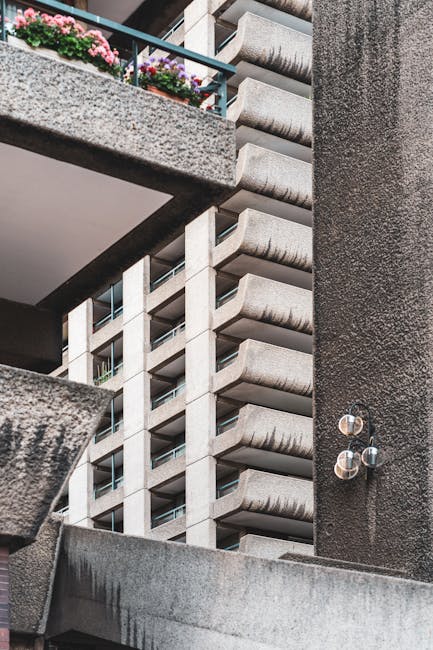
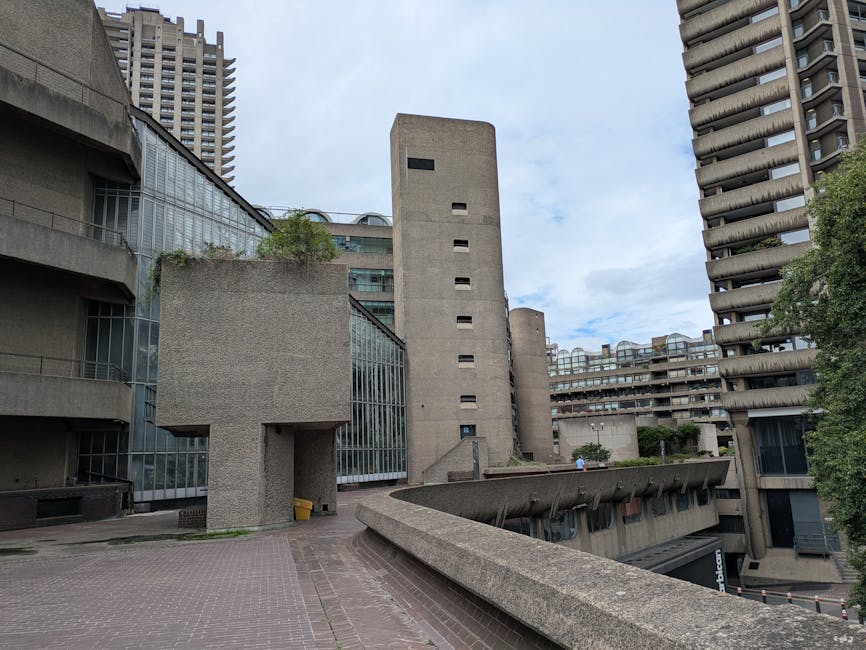
Near the Barbican Centre, the built environment adds another layer. There are hard surfaces, changing light conditions, wind corridors between buildings, and often restricted access or narrow communal routes. A plant that would happily shrug off a suburban fence line may struggle in a sheltered but shaded city setting. That does not mean you cannot have attractive planting. It just means maintenance needs to be more considered.
There is also the simple matter of presentation. In a dense residential setting, a tired planter or overgrown edge can make the whole space feel smaller. Even a modest balcony can look smart and inviting when it is pruned, cleaned, fed, and watered properly. That is the difference between a patch of neglected pots and a space you actually want to sit in with a coffee on a damp Tuesday morning.
Well-managed planting also helps with practical issues: drainage, pests, leaf litter, dead growth, and the odd neighbour complaint if trimmings drift where they should not. Small space, big impact. That is the pattern here.
How Garden maintenance near Barbican Centre for city flats works
Maintenance for city flats is usually built around routine visits rather than one-off heavy work. The exact service varies, but a good provider will start by understanding the site: what type of space you have, how access works, what plants are already there, and whether there are any restrictions in the building.
In practice, the work often includes a mix of the following:
- tidying beds, containers, and planters
- deadheading flowers and removing spent growth
- light pruning or shaping
- watering schedules or seasonal watering support
- feeding and soil improvement where needed
- weed control in containers or small planted areas
- clearing leaves, debris, and moss from hard edges
- checking plant health and spotting early problems
For a flat near the Barbican Centre, access matters almost as much as the gardening itself. Can a person bring tools and waste out easily? Is there lift access? Are there time limits for noisy work? Is the area shared with neighbours? These details affect what can be done, when, and how efficiently.
If the maintenance team is organised, they will usually work in a neat sequence: inspect, prioritise, prune, clear, feed, water, and leave the space tidy. Nothing fancy. But that discipline is what makes the difference between a quick reset and a recurring headache.
To be fair, the best maintenance plans for flats are not dramatic. They are boring in a good way. Regular, calm, consistent. Plants like that.
Many customers also want reassurance on how the service sits alongside wider support such as garden and outdoor maintenance services, especially if the property needs more than simple tidying. If you are comparing providers, it also helps to review pricing and quote information early so there are no awkward surprises later.
Key benefits and practical advantages
The real value of maintenance is not just that the space looks better for a few days. It is that everything becomes easier to live with. You stop noticing the same small problems. The plants stay healthier. The space feels used, not abandoned.
| Benefit | What it means in a city flat | Why it matters |
|---|---|---|
| Better plant health | Regular care stops stress building up in containers and planters | Plants cope better with wind, shade, and restricted roots |
| Cleaner outdoor space | Less leaf litter, fewer weeds, tidier edges | Makes balconies and terraces feel safer and more usable |
| Less neighbour friction | Waste, overgrowth, and mess are managed quickly | Important in communal buildings where shared spaces are sensitive |
| More reliable presentation | The space always looks lived-in rather than neglected | Useful if guests, landlords, or buyers may see it |
| Lower long-term effort | Small jobs are handled before they turn into bigger ones | Prevents the classic "I'll deal with it next month" trap |
There is also a wellbeing angle, even if people do not talk about it much. A tidy, green, well-kept space just feels better to open the window onto. A little fresh air, a little order. That counts.
Expert summary: for compact London homes, the best maintenance is preventive rather than reactive. The aim is not to create a perfect show garden. It is to keep a small outdoor space healthy, manageable, and pleasant all year round.
Who this is for and when it makes sense
This kind of service suits a wide range of residents and property types. You do not need a large garden for maintenance to be worthwhile. In fact, smaller spaces often benefit more because every plant, pot, and drain hole matters a bit more.
Garden maintenance near Barbican Centre for city flats makes sense if you are:
- a busy professional who wants the outdoor space kept in shape without spending every weekend on it
- a landlord or property manager responsible for a flat with balcony planting or shared external areas
- a resident with mobility limitations who finds routine upkeep physically awkward
- someone with decorative planters who wants them alive, not just surviving
- a leaseholder or tenant who needs the space tidy for building rules or practical comfort
It also makes sense when the space is not fully failing, but is getting a bit away from you. A few leggy plants. Some patchy soil. A stubborn weed in the corner. Nothing alarming yet. That is actually the best time to act, because maintenance is far cheaper and simpler than rescue work.
Ask yourself: does the space still feel easy to use, or are you quietly avoiding it? If it is the latter, you probably need a maintenance routine, not a heroic one-off effort. And yes, that is very normal.
Step-by-step guidance
If you are arranging maintenance for a city flat near the Barbican Centre, it helps to think in stages. Rushing straight to pruning without understanding the space is how small errors happen.
1. Assess the space properly
Start with the basics: how much sun does the space get, where does water collect, what is already planted, and how easy is the access? A north-facing balcony with wind exposure is a very different job from a sheltered courtyard planter. The maintenance plan should reflect that.
2. Identify what needs doing now
Some jobs are urgent, such as clearing blocked drainage, removing dead material, or dealing with visibly stressed plants. Others can wait. A good approach separates "must do" from "nice to do". That alone keeps costs and workload sensible.
3. Build a seasonal routine
Most city-flat spaces benefit from a seasonal rhythm rather than random intervention. In spring, there is renewal and feeding. In summer, watering and deadheading. In autumn, leaf clearance and protection. In winter, checking drainage and safeguarding pots from cold. The calendar matters more than people think.
4. Match the care to the planting style
Container planting, herb pots, evergreen planters, ornamental grasses, and climbers all need different care. A one-size-fits-all approach is usually lazy, and plants can tell. Not instantly, but they do tell.
5. Keep waste and mess under control
In flats, disposal is part of the job. Trimmings should be bagged neatly, and reusable green waste should be separated where possible. If the building has limited storage or shared bin access, that should be planned in advance.
6. Review the result and refine the plan
After the first few visits, review what is working. Maybe one planter dries out too fast. Maybe a plant needs moving. Maybe the area gets less light than expected in winter. Maintenance should adapt; it is not a rigid script.
Expert tips for better results
A lot of maintenance problems in city flats come from trying to treat compact spaces like full gardens. They are not the same. Here are a few things that genuinely help.
- Choose resilient plants first. In exposed urban settings, sturdy planting usually outperforms delicate varieties that demand constant attention.
- Think in layers. Mix structure, filler planting, and seasonal colour so the space looks good even when one element is resting.
- Use containers with proper drainage. Waterlogged roots are a common cause of failure in flats, especially after heavy rain.
- Don't overfeed. A little goes a long way in pots. Too much fertiliser can do more harm than good.
- Prune lightly and regularly. Heavy cuts can leave the space looking bare for weeks.
- Watch the wind. City terraces can be surprisingly gusty. Tall pots and loose items can become a nuisance very quickly.
A small tip that people overlook: clean the hard surfaces as part of garden maintenance. A planter full of healthy herbs still looks messy if the terrace is covered in soil streaks and fallen leaves. The eye notices the whole picture, not just the plants.
If you are unsure about the right approach for your building, a provider with clear trust and process information, such as about the team and health and safety guidance, is usually a safer starting point than a vague "we'll sort it" promise.
Common mistakes to avoid
Most garden maintenance issues in flat settings come from a short list of repeat mistakes. The good news is that they are all avoidable once you know what to look for.
- Letting containers dry out completely. Once a pot has dried hard, recovery can be slow and uneven.
- Ignoring drainage. If water has nowhere to go, roots suffer. Simple as that.
- Using the wrong plant for the light levels. Lovely-looking plants are often chosen for appearance first and suitability second.
- Pruning too aggressively. A flat can feel bare very fast if too much is removed in one go.
- Forgetting access constraints. If tools or waste cannot move easily, the job becomes messy and inefficient.
- Overcrowding planters. It looks impressive at first, then everything competes for light and moisture.
- Leaving maintenance until a problem is visible. By then, the cost in time and plant health is usually higher.
One of the sneakiest issues is simply optimism. People think, "I'll water it later", and then the week disappears. Happens all the time. Better to set a routine that is so easy it almost runs itself.
Tools, resources and recommendations
The right tools are not about looking professional for the sake of it. They are about being safe, tidy, and efficient in a small space where every movement counts.
Useful maintenance tools often include:
- compact secateurs
- light pruning shears
- gloves with a good grip
- a small hand fork or trowel
- a watering can or controlled hose setup where permitted
- bags or tubs for green waste
- simple ties or supports for climbers
- mild cleaning tools for hard surfaces around planters
For residents, the most useful resource is often a straightforward service page that explains what is included and how visits are arranged. You can also look at service options and recycling and sustainability information if you want the green waste side handled responsibly.
When choosing support, focus on clarity. Can the provider explain what happens on the first visit? Do they say how they handle waste? Do they set expectations around access and timing? Those answers matter more than a glossy pitch.
Law, compliance, standards, or best practice
For city flats, the compliance side is usually more practical than dramatic. You are less likely to deal with formal garden regulations and more likely to deal with building rules, lease terms, access arrangements, and basic health and safety expectations. That said, it is still worth being careful.
Good practice usually includes:
- checking whether the building has rules on work hours, noise, or shared areas
- making sure access routes are kept clear during visits
- handling tools safely in communal spaces
- confirming waste disposal arrangements before work begins
- ensuring contractors are properly insured and can explain safety procedures
If a provider is working in a shared residential setting, insurance and safety should not be vague afterthoughts. They should be part of the conversation from the start. It is perfectly reasonable to ask how risks are managed, especially if ladders, sharp tools, or elevated terraces are involved. For that matter, a clear insurance and safety policy is a sign of a serious operation, not just paperwork for the drawer.
You should also expect sensible handling of payments, privacy, and service terms. That is standard commercial practice in the UK, and it protects both sides. If a company is transparent about payment and security and terms and conditions, that usually tells you something useful about how they operate day to day.
Options, methods, and comparison table
Not every property needs the same level of attention. Some people just want regular tidying. Others need seasonal planting support or a more structured maintenance plan. Choosing the right method depends on the size of the space, your time, and how much of the work you want to keep in-house.
| Approach | Best for | Pros | Limitations |
|---|---|---|---|
| DIY upkeep | Small spaces and hands-on owners | Low direct cost, flexible timing | Easy to neglect, results vary, waste handling can be awkward |
| Ad hoc visits | Occasional resets or seasonal tidy-ups | Good when things have drifted a little | Problems can return between visits |
| Regular maintenance | Balconies, terraces, and planted flats with ongoing needs | Best for consistency and plant health | Requires commitment and planning |
| Full service support | Shared spaces, landlords, or time-poor households | Most hands-off, generally most reliable | Higher cost than DIY or occasional help |
For many flats near the Barbican Centre, regular maintenance is the sweet spot. It keeps the space neat without turning it into a project. And let's face it, nobody wants their balcony to become a weekend job that never quite ends.
Case study or real-world example
Imagine a two-bedroom flat with a narrow terrace and four large planters. At first, the space looked promising: a couple of evergreen shrubs, some herbs, and a flowering plant bought on impulse. By late summer, the herbs had gone woody, one planter was waterlogged, and the flowering plant was leaning like it had lost the will to continue.
Rather than clearing everything and starting over, the maintenance approach was simple. The planters were assessed individually. The weak soil was replaced in one container. The herbs were cut back and refreshed. A climber was trained more neatly. Drainage holes were checked. The terrace surface was cleaned. Nothing dramatic, just steady attention.
Within a couple of visits, the space looked calmer and more usable. More importantly, it became easier to keep that way. That is the trick with city-flat outdoor spaces: once the structure is right, maintenance stops feeling like rescue work and starts feeling like routine care.
Sometimes the best outcome is simply that you begin to enjoy the space again. A quiet cup of tea outside in the evening. A window opened without staring at a mess. Small pleasures, but real ones.
Practical checklist
Use this checklist before arranging maintenance or reviewing your current setup.
- Check what outdoor space you actually have: balcony, terrace, courtyard, planter strip, or shared area.
- Note sun, shade, wind, and drainage conditions.
- List the plants that need attention and identify any that are struggling.
- Confirm access details, lift use, entry arrangements, and any building restrictions.
- Decide whether you want a one-off tidy, seasonal support, or regular maintenance.
- Ask how waste will be removed and whether recycling or green disposal is included.
- Review safety, insurance, and any site-specific risk concerns.
- Set a realistic maintenance frequency based on the season and plant type.
- Make sure the plan includes surface cleaning as well as plant care.
- Keep a simple record of what was done after each visit so patterns are easier to spot.
This list looks basic, but it catches a surprising number of problems before they become expensive or annoying.
Conclusion
Garden maintenance near Barbican Centre for city flats is really about making compact outdoor spaces livable, attractive, and easy to manage. In a dense part of London, where access is limited and outdoor space carries a lot of visual weight, regular care makes a bigger difference than people expect. A small terrace can feel generous. A balcony can feel like an extra room. But only if it is looked after with some care and a bit of common sense.
If you plan carefully, choose the right maintenance rhythm, and focus on plant suitability, drainage, tidiness, and safety, the whole job becomes much easier. No drama. No constant catch-up. Just a space that works as it should.
If you are weighing up your options, it may help to start with the company's background and service details on the about page, then use the contact page to ask about access, frequency, and the kind of support your flat really needs.
Get a free quote today and see how much you can save.
Frequently Asked Questions
How often should a city flat's outdoor space be maintained?
It depends on the size of the space, the planting, and the season. Many balconies and terraces benefit from light, regular upkeep rather than rare heavy visits. In summer, watering and tidying may be needed more often. In colder months, the focus shifts to drainage, protection, and general condition.
What is usually included in garden maintenance for flats?
Typical tasks include pruning, deadheading, watering support, weed removal, feeding, clearing leaves, checking plant health, and cleaning around planters. If the service is well planned, it should also include waste handling and a quick review of any access or safety issues.
Is garden maintenance worth it if I only have a balcony?
Yes, very often. Balconies are small, so any untidiness is obvious and any plant stress shows quickly. A little maintenance goes a long way in keeping them attractive and usable. Honestly, small spaces can be the most satisfying ones to keep in shape.
Can maintenance help if my plants keep dying?
Yes, because repeated plant loss usually points to a fixable issue such as poor drainage, wrong plant choice, too much sun or shade, or inconsistent watering. A maintenance review can identify the cause and suggest sturdier alternatives.
What should I ask before booking a provider?
Ask what is included, how often visits are recommended, how waste is removed, whether they understand flat access issues, and how they handle safety and insurance. Clear answers are usually a good sign.
Do I need permission for work on a balcony or shared outdoor area?
Sometimes, yes. It depends on your lease, building rules, or management arrangements. Shared spaces often have more restrictions than private balconies. It is sensible to check before arranging any larger work.
How do providers handle mess in communal buildings?
Good providers plan for it carefully. They should protect routes where needed, keep tools organised, and remove waste promptly. In a flat block, tidy working matters almost as much as the gardening itself.
Is regular maintenance better than one-off tidy-ups?
For most city flats, yes. One-off work can reset a space, but regular maintenance keeps problems from building up again. If your outdoor area is exposed to wind, shade, or constant use, consistency usually wins.
What if I want low-maintenance planting instead of frequent visits?
That is a smart option. Resilient, slow-growing, and well-chosen plants can reduce the need for frequent intervention. A provider can often suggest a planting style that suits your time, light levels, and access conditions.
How do I know if a maintenance plan is too expensive?
Look at what is actually included. A cheaper service that misses waste removal, seasonal checks, or proper plant care may cost more in the long run. The best comparison is not just price; it is value, consistency, and how much work it saves you.
Can maintenance be arranged for landlords or property managers?
Yes. In fact, flats with tenants, shared access, or presentation requirements often benefit from scheduled upkeep. It helps keep the exterior presentable and avoids last-minute scrambles before inspections or new tenancies.
What is the easiest first step if I have neglected the space?
Start with a simple assessment rather than trying to fix everything in one go. Remove obvious dead growth, check drainage, identify the plants worth saving, and decide whether you need a one-off reset or a regular plan. Once the first clean-up is done, things get much easier. Surprisingly so.